
Understanding Tooth Discoloration
Tooth discoloration is one of the most common aesthetic concerns. Teeth can become stained or darkened for various reasons, and understanding the type of staining you have is crucial for choosing the most effective whitening approach.
Types of Tooth Stains
Extrinsic stains affect the outer enamel layer and are caused by coffee, tea, red wine, tobacco, and certain foods. These respond well to whitening treatments. Intrinsic stains are deeper, within the tooth structure, often caused by medications, fluorosis, or trauma. These are more challenging to treat and may require alternative cosmetic solutions like veneers.
Professional vs. Over-the-Counter Whitening
Professional whitening at GardenCity Smiles uses higher concentration bleaching agents under controlled conditions, delivering superior and faster results. We can whiten teeth several shades in just one visit. Over-the-counter products are less concentrated, take longer, and may cause uneven results or sensitivity if misused.
In-Office Whitening Procedure
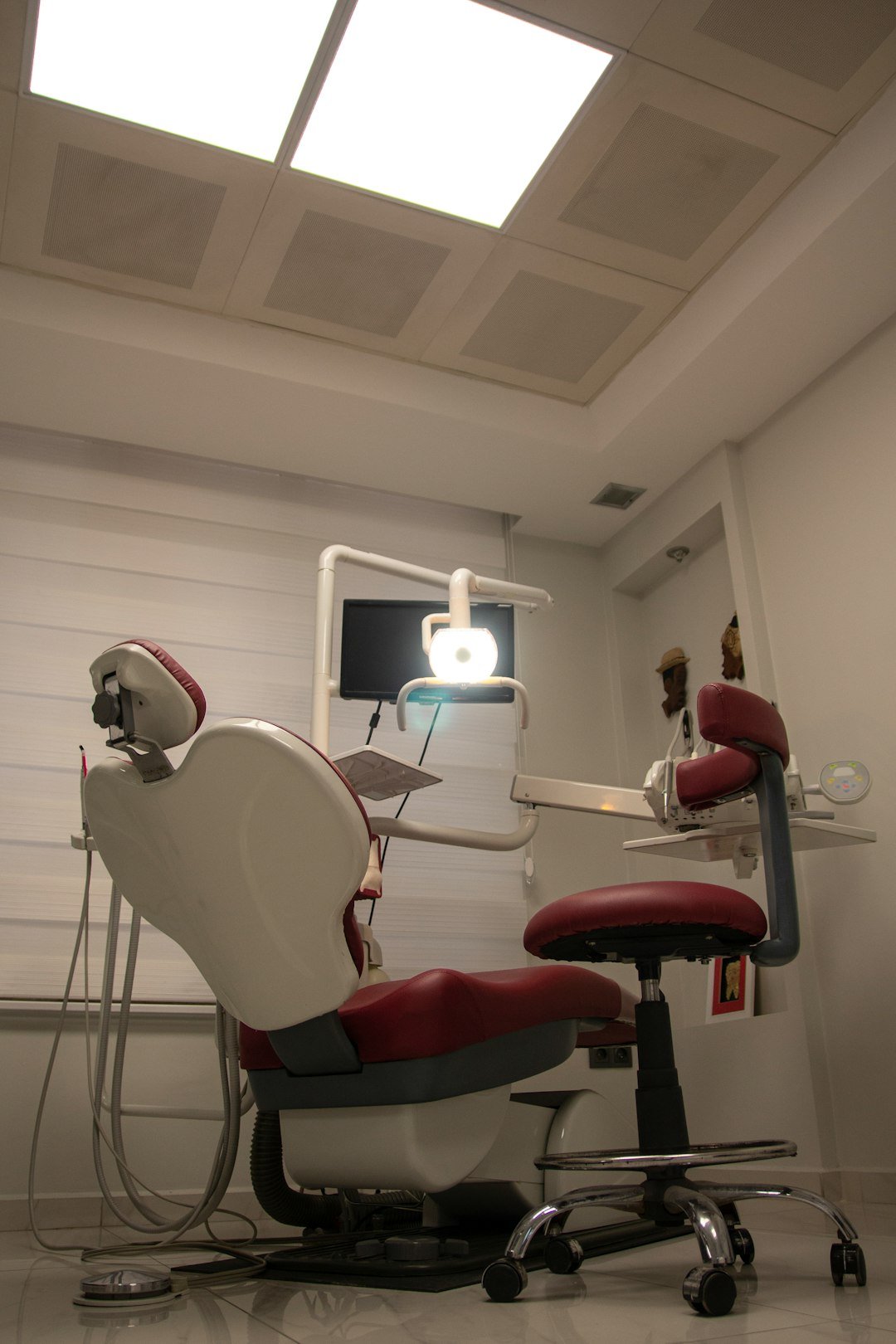
Our professional whitening treatment begins with a thorough cleaning and examination. We protect your gums and lips, then apply professional-grade whitening gel to your teeth. Depending on the system used, we may activate the gel with a special light. The entire process takes about 60-90 minutes and can lighten teeth up to 8 shades.
Take-Home Professional Whitening
We also offer custom take-home whitening kits with professional-strength gel and custom-fitted trays made from digital impressions of your teeth. These provide the convenience of at-home treatment with professional-grade results. Most patients achieve desired results in 1-2 weeks of daily use.
Is Whitening Safe?
When performed under professional supervision, teeth whitening is safe and effective. Some patients experience temporary sensitivity, which typically resolves within a few days. At GardenCity Smiles, we use techniques and products designed to minimize sensitivity while maximizing results.
Who is a Good Candidate?
Most people with healthy teeth and gums are good candidates for whitening. However, it’s not recommended for pregnant women, people with severe sensitivity, or those with certain dental conditions. Whitening doesn’t work on crowns, veneers, or fillings—these may need replacement to match your newly whitened teeth.
Maintaining Your Results
Professional whitening results typically last 1-3 years with proper maintenance. Brush and floss daily, avoid or limit staining foods and beverages, use a straw for colored drinks, quit tobacco use, and schedule regular dental cleanings. Touch-up treatments every 6-12 months help maintain your bright smile.
Alternative Cosmetic Solutions
For teeth that don’t respond well to whitening, we offer veneers, bonding, or crowns. These options can address not only discoloration but also chips, gaps, and misshapen teeth. During your consultation, we’ll discuss all options and create a personalized treatment plan.
Frequently Asked Questions
No, professional teeth whitening does not damage tooth enamel when done correctly. The whitening agents used in our office are safe and have been extensively tested. Any sensitivity experienced is temporary and mild.
Results typically last 1-3 years depending on your diet and oral hygiene habits. Avoiding staining substances and maintaining good oral care extends results. Periodic touch-ups can maintain your bright smile indefinitely.
Professional whitening delivers faster, more dramatic, and more predictable results. We can protect sensitive areas, ensure even whitening, address any issues immediately, and customize treatment to your specific needs. Professional results are simply superior to over-the-counter options.